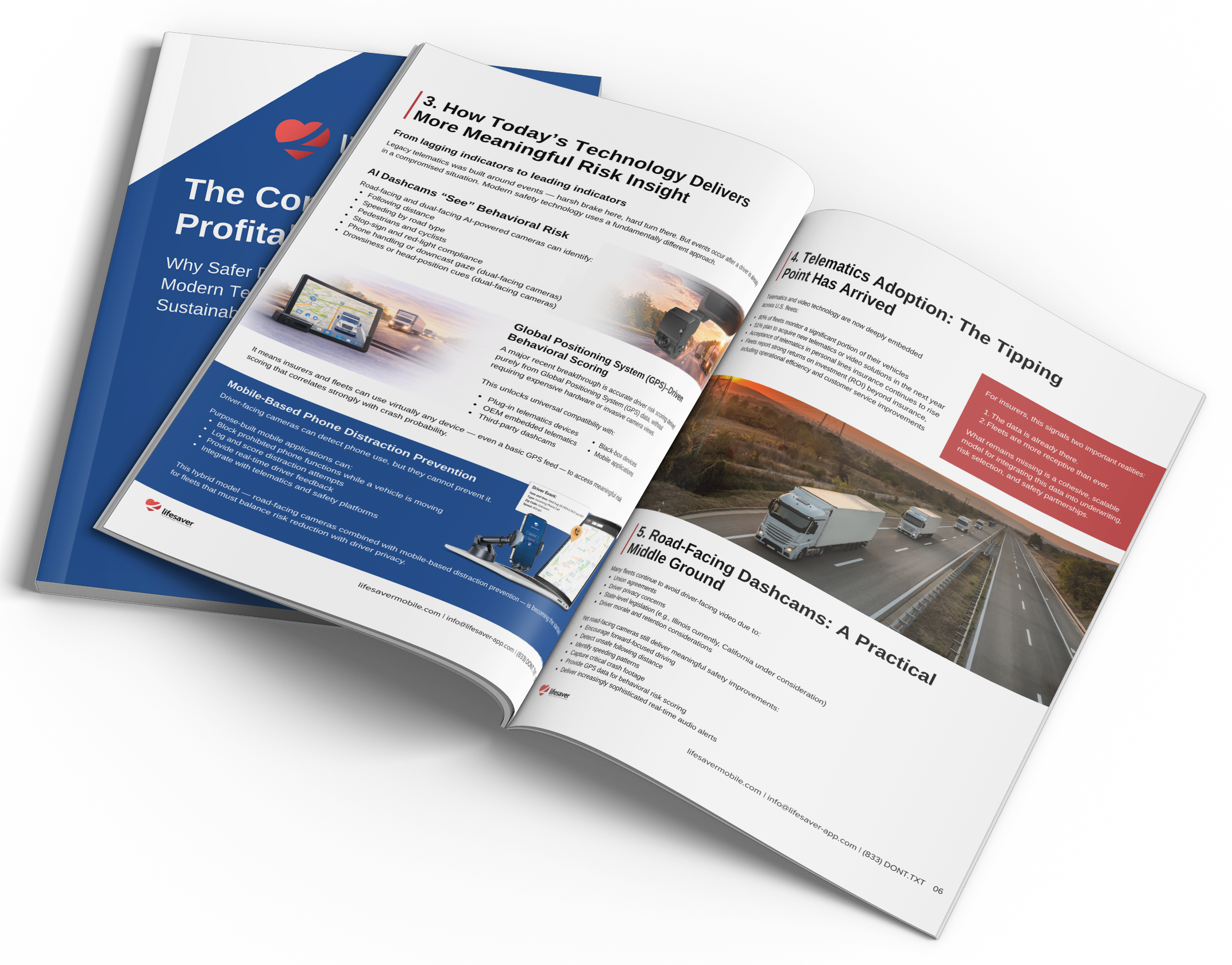
What is Fleet Risk Management?
Fleet risk management is the continuous practice of identifying issues that could make a fleet non-compliant or unsafe, determining a framework of programs and practices for making improvements. The ultimate goal of any risk assessment is to ensure safety – specifically in the case of fleet, for its drivers and other motorists. This involves a thorough analysis of potential risks such as vehicle maintenance issues, driver behavior, regulatory compliance, and environmental factors. By systematically addressing these risks, fleet managers can implement strategies that minimize the likelihood of accidents and ensure smooth, efficient operations.
Fleet risk management also encompasses the evaluation of external risks such as weather conditions, road quality, and traffic patterns. Effective risk management requires ongoing monitoring and adjustment of strategies to respond to new information and changing circumstances. This proactive approach helps in not only preventing accidents but also in reducing downtime and maintenance costs, thereby enhancing the overall productivity and profitability of the fleet. Additionally, fleet risk management includes fostering a culture of safety within the organization, ensuring that all employees are committed to upholding high safety standards.
What is Commercial Fleet Risk Management?
Commercial fleet management overlays the general principles of driving safety with the unique requirements of the particular fleet. While risk management applies to consumer markets as well, commercial fleets are in a more favorable position to mandate driver participation with more tools such as installed telematics devices, installed video cameras, and installed apps on mobile devices. These tools provide real-time data on driver behavior, vehicle performance, and route efficiency, enabling fleet managers to make informed decisions. Additionally, commercial fleets often have to adhere to stricter regulatory standards, making comprehensive risk management even more critical to avoid fines and legal issues.
Furthermore, commercial fleet risk management involves specific strategies tailored to the industry and type of vehicles in use. For instance, a delivery company might focus on optimizing routes to reduce driving time and fuel consumption, while a construction company would prioritize the safe transportation of heavy machinery. This sector-specific approach ensures that the unique challenges of each industry are addressed effectively. By leveraging technology and data analytics, commercial fleets can enhance their safety protocols, improve driver performance, and reduce operational costs, ultimately contributing to the company’s bottom line.
Fleet Management Risks and Controls
Risks include such factors as safe maintenance of the vehicle, appropriate training for employees/drivers, legal certification to drive, and employing safe driving behaviors. Various controls used would be hiring and training practices, background checks, in-vehicle technology such as active braking, lane departure management, tire pressure monitoring, MVR status reporting, as well as behavior-oriented issues such as speeding, distraction, unsafe following distance, aggressive maneuvering, etc. These controls are essential for minimizing risks and ensuring the safety and compliance of the fleet. Regular audits and reviews of these controls help in identifying gaps and making necessary adjustments to enhance their effectiveness. Investing in preventive maintenance and up-to-date technology further strengthens the control measures.
Moreover, implementing a robust risk management framework involves continuous education and engagement with drivers. Training programs should be designed to not only meet regulatory requirements but also to instill a culture of safety and responsibility among drivers. This can include simulation-based training, regular safety drills, and workshops on new technologies and safety protocols. Additionally, integrating advanced telematics systems can provide real-time feedback on driver performance, enabling immediate corrective actions and ongoing improvements.
Another critical aspect of fleet management risks and controls is the development of emergency response plans. These plans should outline procedures for dealing with accidents, breakdowns, and other unforeseen events. Regular drills and updates to these plans ensure that drivers and fleet managers are prepared to handle emergencies effectively, minimizing risks to both personnel and vehicles. By combining comprehensive training, advanced technology, and proactive planning, fleet managers can significantly reduce the likelihood of incidents and improve overall safety and efficiency.
Fleet Driver Risk Management
Fleet driver risk management pays attention to all factors directly involving the driver–health, sleep, as well as behavioral issues such as speeding, distraction, etc. With the vast majority of accidents related to driver errors, focus on the driver’s behavior and monitoring the improvement of that behavior over time is critical. Effective driver risk management programs include regular training sessions, health assessments, and the use of technology to monitor and correct unsafe driving habits. Personalized feedback and targeted interventions based on telematics data can significantly reduce risky behaviors. Additionally, fostering a culture of safety and encouraging open communication about challenges drivers face on the road can lead to better adherence to safety protocols.
Driver health and well-being are also crucial components of risk management. Ensuring that drivers are well-rested, healthy, and mentally fit to drive can greatly reduce the risk of accidents. This can involve implementing wellness programs, providing resources for stress management, and offering support for maintaining a healthy lifestyle. Regular medical check-ups and assessments can help identify potential health issues that could impair a driver’s ability to operate a vehicle safely.
Furthermore, incentivizing safe driving practices through reward programs can be an effective strategy. Recognizing and rewarding drivers who consistently demonstrate safe driving behaviors can motivate others to follow suit. This positive reinforcement, combined with stringent monitoring and corrective measures for unsafe practices, creates a balanced approach to driver risk management. By addressing both behavioral and health-related factors, fleet managers can create a safer driving environment and reduce the overall risk associated with fleet operations.
What is a Fleet Risk Management Policy
The purpose of fleet management is to supervise fleet operations for optimal business performance, ensuring that they contribute to profitability and other company goals. The benefits of a robust fleet management system include increased safety and reliability. A well-written fleet risk management policy document is critical to every fleet with commercial drivers. This policy document will precisely define the expectations for acceptable job performance. It outlines procedures, safety standards, and compliance requirements, serving as a comprehensive guide for all fleet-related activities. Regularly updating the policy to reflect new regulations, technological advancements, and emerging risks ensures that the fleet remains compliant and prepared for any challenges.
A comprehensive fleet risk management policy should cover various aspects such as driver recruitment and training, vehicle maintenance schedules, incident reporting procedures, and emergency response plans. It should also define the roles and responsibilities of each team member, from drivers to fleet managers, ensuring accountability and clarity in operations. Clear communication of the policy to all stakeholders is essential, and periodic training sessions should be conducted to reinforce its principles and update employees on any changes.
Moreover, the policy should include metrics and KPIs to measure its effectiveness. Regular reviews and audits can help identify areas for improvement and ensure that the policy is being followed consistently. By establishing a robust framework for risk management, companies can not only enhance the safety and efficiency of their fleet operations but also build a culture of continuous improvement and accountability. This proactive approach to risk management can lead to long-term benefits, including reduced costs, improved compliance, and a safer working environment for all employees.
What is a Fleet Risk Management Solution?
Risk management solutions can include passive solutions (not requiring driver participation) such as adaptive braking, speed governors, lane departure warnings, tire pressure monitoring, etc. In addition, in an attempt to improve driver behavior, various technologies (telematics, video cameras, apps) may be deployed to identify areas of potential improvement in driver behaviors. These solutions help in proactively addressing potential risks and improving overall fleet safety. Combining these technological solutions with ongoing training and support for drivers creates a holistic approach to risk management. Additionally, leveraging data analytics can provide insights into trends and patterns, enabling more strategic decision-making and long-term planning.
Advanced telematics systems can track various aspects of vehicle performance and driver behavior in real-time. This data can be used to generate detailed reports and alerts, allowing fleet managers to take immediate action when necessary. For instance, if a driver is consistently speeding or engaging in harsh braking, the system can trigger an alert, prompting a review and intervention. Video telematics can also provide visual evidence of incidents, helping in accurate assessment and resolution of disputes.
Moreover, integrating artificial intelligence and machine learning into fleet risk management solutions can enhance predictive capabilities. These technologies can analyze historical data to predict potential risks and recommend preventive measures. For example, AI can identify patterns that suggest a higher likelihood of accidents in certain conditions and advise adjustments to routes or schedules. By adopting a comprehensive suite of risk management solutions, fleets can achieve a significant reduction in accidents and operational disruptions, ensuring smoother and safer operations.
Examples of Fleet Risk Management Program
Examples of effective fleet risk management programs include implementing a driver safety training program, using telematics to monitor and improve driving behavior, regular vehicle maintenance schedules, and compliance audits. Companies might also employ rewards systems to incentivize safe driving and penalties for non-compliance with safety protocols. Successful programs often incorporate a mix of technology, training, and policy enforcement to minimize risks and enhance fleet performance. Case studies from industry leaders can provide valuable lessons and best practices that can be adapted to fit different fleet sizes and types.
One notable example is the use of telematics in monitoring driver behavior. A logistics company implemented a telematics system that tracked metrics such as speed, braking patterns, and idle times. This data was analyzed to identify high-risk drivers who were then given additional training and support. Over time, the company saw a significant reduction in accidents and fuel costs, demonstrating the effectiveness of this technology-driven approach.
Another example is a delivery service that introduced a comprehensive driver training program focused on defensive driving techniques and vehicle maintenance. This program included classroom instruction, hands-on training, and regular refresher courses. The company also established a reward system for drivers who demonstrated safe driving practices consistently. As a result, they experienced fewer accidents and improved customer satisfaction due to timely and safe deliveries. These examples highlight the importance of a multifaceted approach to fleet risk management, combining technology, training, and incentives to achieve the best outcomes.
Fleet Risk Management Training and Examples
Fleet risk management training involves educating drivers and fleet managers about safety practices, regulatory requirements, and the use of in-vehicle technology. Training programs may include defensive driving courses, health and wellness programs for drivers, and workshops on the latest fleet management technologies. Here are some detailed examples of effective fleet risk management training initiatives:
- Defensive Driving Courses:
- Courses designed to teach drivers proactive techniques to avoid accidents and handle adverse conditions
- Includes training on safe following distances, proper merging techniques, and anticipating the actions of other drivers
- Often includes both classroom instruction and practical, on-the-road training sessions
- Simulation-Based Training:
- Uses advanced driving simulators to replicate various driving conditions and scenarios
- Allows drivers to experience and react to hazardous situations in a controlled environment
- Helps in training drivers on handling emergency situations, like sudden braking or evasive maneuvers
- Health and Wellness Programs:
- Focuses on the overall health and well-being of drivers, addressing issues like fatigue management, nutrition, and stress reduction
- Regular health check-ups and workshops on maintaining a healthy lifestyle
- Programs to promote mental health and well-being, including resources for managing stress and work-life balance.
- Workshops on In-Vehicle Technology:
- Training sessions on the proper use and benefits of in-vehicle technologies like telematics, video monitoring systems, and adaptive cruise control
- Demonstrations on how to interpret data from these technologies to improve driving habits and vehicle maintenance.
- Regular Safety Briefings:
- Monthly or quarterly safety meetings to discuss recent incidents, new safety protocols, and updates in regulations
- Open forums for drivers to share their experiences and suggest improvements
- Reviewing case studies of accidents or near-misses to learn and implement better practices
- Interactive E-Learning Modules:
- Online courses covering various aspects of fleet safety, from basic driving principles to advanced risk management strategies
- Interactive content, including quizzes and scenario-based learning, to ensure engagement and comprehension
- Flexible learning schedules to accommodate the varied timetables of drivers
- Rewards and Recognition Programs:
- Implementing systems to reward drivers for maintaining safe driving records
- Offering incentives like bonuses, additional time off, or public recognition for exemplary performance
- Creating a positive reinforcement culture that encourages continuous adherence to safety protocols
- Emergency Response Drills:
- Regularly scheduled drills to prepare drivers for emergencies such as vehicle breakdowns, accidents, or adverse weather conditions
- Training on how to use emergency equipment and communicate effectively during a crisis
- Evaluating the effectiveness of the drills and updating emergency response plans accordingly
By incorporating these diverse and comprehensive training initiatives, fleet managers can ensure that their drivers are well-prepared to handle the challenges of their roles, thus significantly reducing the risks associated with fleet operations.
How Does LifeSaver Mobile Help with Fleet Risk Management?
Fleet risk management is essential for ensuring the safety, compliance, and efficiency of a commercial fleet. LifeSaver Mobile directly enhances fleet risk management by eliminating one of the most dangerous factors affecting drivers—mobile phone distractions. By providing immediate intervention and enforcing safe driving behaviors, LifeSaver Mobile delivers substantial financial and operational benefits, including millions in savings from reduced collisions, lower insurance costs, and minimized downtime due to accidents. Additionally, it fosters a strong safety culture and simplifies data-driven decision-making through predictive reporting and easy access to safety analytics.
- Preventing Collisions and Reducing Fleet Costs:
- Drastic Reduction in Accidents: Distracted driving is a leading cause of fleet-related collisions. By automatically restricting phone use while the vehicle is in motion, LifeSaver Mobile prevents distractions, leading to fewer accidents.
- Millions in Savings from Fewer Collisions: Each accident can cost a fleet $50,000 to $100,000 in damages, liability, and productivity loss at a minimum. By significantly lowering collision frequency and severity rates, LifeSaver Mobile saves fleets millions of dollars annually in repair costs, medical expenses, and legal liabilities.
- Extended Vehicle Lifespan: Fewer accidents also mean less wear and tear on fleet vehicles, reducing long-term maintenance costs and improving asset utilization.
- Employee Retention: Fewer collisions lead to higher driver retention, reducing turnover costs and ensuring a more experienced workforce. As drivers embrace and promote a strong safety culture, overall morale improves, fostering a more stable and efficient fleet operation.
- Lower Insurance Premiums and Liability Risks
- Insurance Cost Reduction: Insurers recognize proactive safety measures. By using LifeSaver Mobile to eliminate distracted driving, fleets demonstrate lower risk, leading to premium reductions.
- Fewer Legal and Liability Issues: Reducing distracted driving incidents minimizes liability exposure, protecting the company from costly legal battles and settlements.
- Stronger Negotiating Position: Fleets using LifeSaver Mobile have verifiable data to present to insurers, allowing for more favorable policy terms and reduced deductible costs.
- Minimizing Vehicle and Driver Downtime
- Less Time Out of Trade: A fleet vehicle involved in a collision can be out of service for weeks, leading to lost revenue and operational inefficiencies. By preventing these accidents, LifeSaver Mobile ensures that vehicles remain in operation, reducing downtime and maintaining productivity.
- Increased Driver Availability: Injured drivers can take weeks or months to recover, causing staffing shortages and operational disruptions. By keeping drivers safe, fleets avoid unexpected labor shortages and costly replacements.
- Higher Customer Satisfaction: Reliable fleet operations mean on-time deliveries and fewer service interruptions, enhancing overall customer experience.
- Simplifying Safety Culture and Fleet-Wide Compliance
- Immediate Safety Policy Enforcement: Unlike training programs that take time to influence driver behavior, LifeSaver Mobile enforces safety policies in real-time, eliminating distractions before they occur.
- Fleet-Wide Adoption Without Resistance: Drivers cannot override or disable the system, ensuring 100% compliance across the fleet without relying on self-discipline.
- Reinforcing a Safety-First Mindset: By proactively preventing risky behavior, LifeSaver Mobile helps build a stronger safety culture, making compliance second nature to drivers.
- Data-Driven Decision Making and Predictive Risk Management
- Real-Time Safety Analytics: LifeSaver Mobile provides fleet managers with instant access to driver compliance reports, risk assessments, and behavioral trends.
- Predictive Reporting: AI-driven analytics identify potential risk patterns before they escalate into major incidents, allowing for targeted interventions and coaching.
- Customizable Compliance Tracking: Fleet managers can set benchmarks, monitor improvement over time, and take proactive measures to improve fleet-wide safety.
- Seamless Integration with Other Fleet Technologies: LifeSaver Mobile’s data integrates with telematics, video monitoring systems, and maintenance tracking, creating a comprehensive risk management ecosystem.
LifeSaver Mobile is a game-changer in fleet risk management, delivering immediate and measurable benefits by preventing distracted driving at its source. By reducing collisions, cutting insurance costs, minimizing downtime, and simplifying compliance, LifeSaver Mobile ensures fleets operate safer, more efficiently, and with significantly lower financial risk. The system’s predictive analytics and real-time reporting empower fleet managers to make data-driven decisions, further strengthening overall safety culture and risk mitigation strategies. Investing in LifeSaver Mobile isn’t just about compliance—it’s about transforming fleet safety while saving millions of dollars annually.